
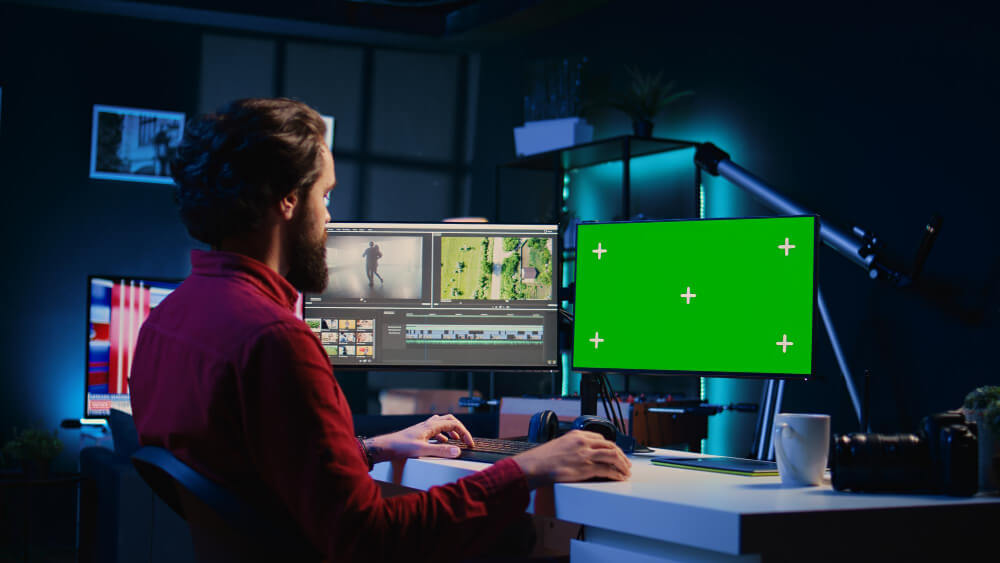
Understanding the Power of Motion Design
Storytelling has always been central to human connection, and in today’s visually-driven world, motion design has become its modern medium. Motion design is not merely animation—it is the art of conveying ideas through movement, visuals, and narrative structure. Unlike static content, motion design guides the viewer through a purposeful journey, combining timing, pacing, and visual cues to enhance understanding and retention.
This form of storytelling allows brands to transform complex concepts into digestible narratives that resonate with audiences on both intellectual and emotional levels. By carefully orchestrating visuals, typography, sound, and motion, motion design ensures that every element supports the story and strengthens brand identity.
Crafting a Cohesive Narrative
At the core of effective motion design is a clear, cohesive narrative. A strong story anchors the visuals, ensuring that every frame has purpose and meaning. Brands must define the message they want to communicate, structure it logically, and align it with their identity.
In motion design, narrative is built through:
- Relatable scenarios or characters that allow viewers to see themselves in the story
- Challenges or problems that highlight the need for your solution
- Resolutions that demonstrate the value and impact of your product or service
This structure ensures that motion design does more than entertain; it communicates, inspires, and drives engagement.
The Role of Visual Storytelling
Visual storytelling is the backbone of motion design. Each visual element—from animated typography to color choices—works in harmony to convey meaning. Motion directs the audience’s focus, emphasizes key ideas, and creates a rhythm that guides viewers naturally through the content.
Well-executed visual storytelling enhances comprehension, makes the content memorable, and elevates the audience’s emotional connection to the brand. It is this combination of clarity, creativity, and engagement that allows motion design to communicate complex ideas in a way that text or static graphics cannot.
Evoking Emotion Through Motion
Emotion is what makes stories stick. Motion design allows brands to engage viewers on a deeper level, using timing, visual cues, and sound to create feelings of excitement, empathy, or inspiration. A story that evokes emotion is more likely to be remembered, shared, and acted upon.
Even subtle design choices—like a slight pause in animation or a color shift—can influence how viewers feel and respond. By integrating emotional storytelling into motion design, brands forge stronger connections and foster trust, loyalty, and advocacy.
Balancing Creativity and Simplicity
While motion design offers limitless creative possibilities, simplicity is critical. Overly complex visuals or rapid sequences can distract viewers and dilute the story. Effective motion design balances creativity with clarity, ensuring that every element serves a purpose and reinforces the narrative.
Simplicity in motion design involves:
- Focusing on essential visual elements that support the story
- Maintaining consistency in style, tone, and pacing
- Guiding the viewer’s attention naturally without overwhelming them
This balance ensures that the narrative remains clear, engaging, and impactful, allowing the audience to absorb the message fully.
Applying Motion Design Across Platforms
Motion design is versatile and can be tailored for a variety of platforms, from social media clips and website banners to presentations and email campaigns. Its adaptability allows brands to maintain consistency while reaching different audiences effectively.
Across platforms, motion design helps brands:
- Communicate complex ideas quickly
- Retain audience attention for longer durations
- Strengthen brand identity consistently
This adaptability makes motion design a practical and strategic tool for modern marketing, helping brands tell stories that reach the right audience at the right time.
Measuring the Impact of Motion Design
A story is only as effective as its results. Motion design allows brands to track audience engagement, retention, and response, providing insights that can optimize future projects. Brands can analyze metrics like view duration, shares, and conversion rates to assess how well the narrative resonates and drives action.
These insights ensure that motion design is not just creative expression but a purposeful marketing strategy that informs decision-making, improves messaging, and enhances audience connection.
Why Motion Design Matters for Brands
Motion design has become indispensable for brands looking to stand out in an increasingly digital and visual landscape. By transforming ideas into dynamic stories, it allows brands to communicate more effectively, build stronger emotional connections, and leave lasting impressions.
The benefits of motion design include:
- Enhancing storytelling to make brand messages more memorable
- Increasing engagement and interaction across multiple platforms
- Simplifying complex ideas for clear audience understanding
- Establishing credibility, professionalism, and brand authority
Ultimately, motion design enables brands to tell stories that are not only seen but also felt, remembered, and acted upon.
Bringing Stories to Life With Animate Aura
At Animate Aura, we specialize in crafting motion design projects that combine creativity, narrative, and technical precision. Each video is designed to capture attention, communicate clearly, and connect emotionally with audiences. From explainer videos and whiteboard animations to premium animated content, every project is tailored to reflect the brand’s identity, values, and objectives.
Investing in professional motion design allows brands to transform abstract ideas into tangible experiences, strengthen engagement, and elevate their presence in the digital landscape. With Animate Aura, stories don’t just get told—they come alive, leaving a lasting impression on audiences and creating meaningful brand connections.